Flipping the math: How AI changes Build vs. Buy
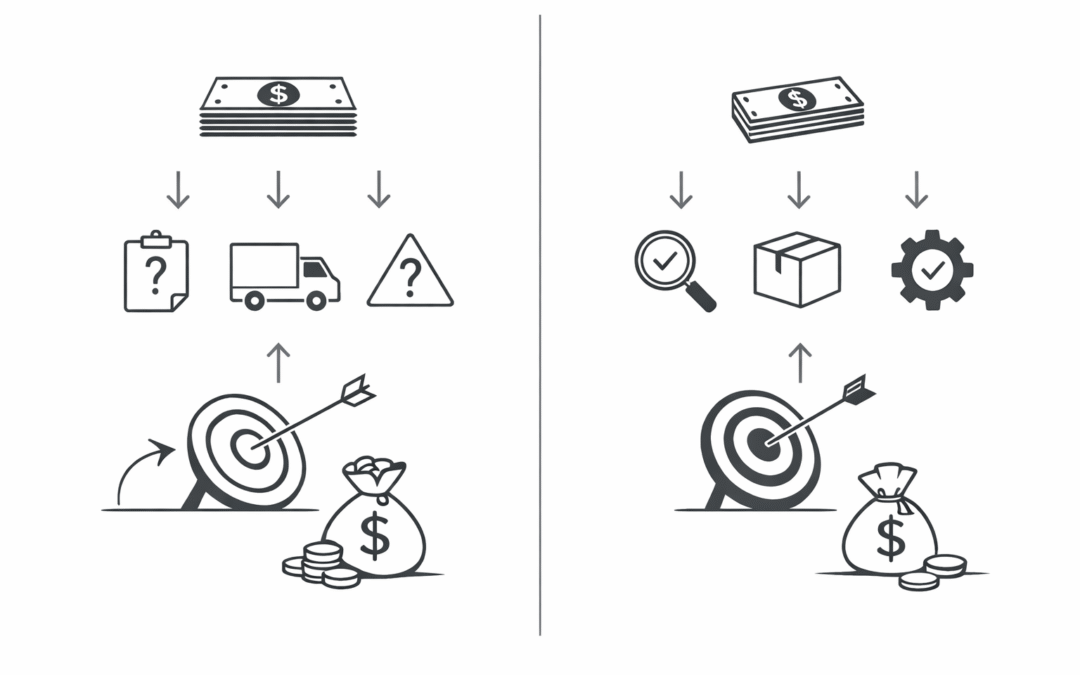
For the longest time, companies have been trapped by enterprise software vendors. First by shrink-wrapped software packages. Then by SaaS offerings. Both situations led to what one even in a SaaS world can call shelfware – although these days the shelf is a virtual one instead of a physical one. Buyers still get enticed to purchase more capabilities than they need, which leads to them paying more than necessary while often using software packages that offer overlapping capabilities. One of the promises that SaaS started with, was to end this. Sadly, it looks like this promise was not kept. And this is no wonder; after all vendors want to be sticky. And they need to have increasing revenues. This means that they need to offer an ever-increasing number of capabilities, aka features, to warrant their pricing and eventually regular price increases. Combined with the frequently used strategy of offering related capabilities, i.e., seats for an adjacent software that is not yet needed by a customer, this led to two things: bloat and shelfware. Both go at the expense of the enterprise buyer. Since the dawn of packaged software, the argument to buy, i.e., to voluntarily step into this trap, is the same: Buying is cheaper than building. Which probably was correct. Buying from a specialist was the logical choice. Engineering talent was, and still is, scarce. Building software includes a lengthy process of requirements engineering, years of development and ultimately never-ending maintenance. Just that most of this is true for most implementations of purchased enterprise software, too. And the buying process is arguably broken. Need identification is often done...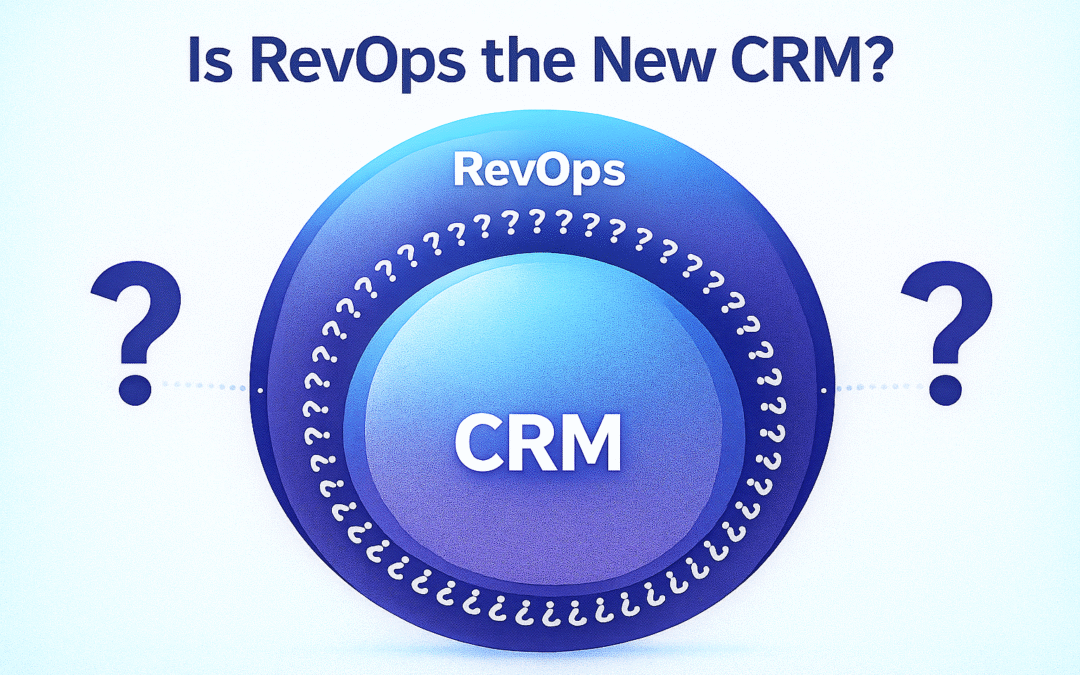
Is RevOps the New CRM?
The Lost Strategy: What CRM Was Supposed to Be CRM at its very origin, was a strategy. With the advent of systems that support the execution of this strategy, the term more and more got shifted to describe a system. This shift can get seen in the words of CRM Godfather Paul Greenberg. His pre-2009 definition of CRM was “a philosophy and a business strategy, supported by a system and a technology designed to improve human interaction in a business environment.” This changed to “Customer Relationship Management is a technology and system that sustains sales, marketing and customer service activities. It is designed to capture and interpret customer data, both structured and unstructured, and to sustain the management of the business side of customer related operations. CRM technology automates processes and workflows and helps organize and interpret data to support a company in engaging its customers more effectively” in acceptance of this change (emphasis by me). These days, people often even mean a sales force automation system, when they say “CRM”. In another dimension, the systems themselves more and more turned into systems of record. Implementations often were management-oriented as opposed to team-oriented, which led to increasing dissatisfaction and the creation of new terms and categories like social CRM, system of engagement, customer data platform, customer engagement, customer experience management, and so on. There is much more, but in consequence, CRM lost both, the “C” and the “R”. CRM turned from a strategy into a glorified rolodex and a tool to manage teams, in particular sales teams, instead of helping organizations and teams to manage and improve the customer...
Zoho One: Did 75,000 Customers Find the Sweet Spot?
Zoho aspires to deliver the operating system for businesses with the goal of driving customers’ margins by unifying business operations on one single technology platform. The most important part for delivering this vision is Zoho One. Zoho One is Zoho’s premier bundle of business applications. Currently, Zoho One consists of around 55 applications that support sales, marketing, email and collaboration, helpdesk and customer support, finance, HR, analytics, and business processes. Of these, customers use on average 22. Zoho One can be licensed as an all-in-one platform but also be part of a journey that starts at first licensing one application, then more and then moving to Zoho One directly or via licensing one of the other suites (such as CRM+, Projects+, Finance+, or Workplace, and others). The most used applications in Zoho One are CRM, Analytics, Books, Meeting, and Workdrive. At the time of writing this, Zoho One has around 75,000 customers, which makes it Zoho’s most popular product. The largest customer has around 32,000 employees. Customers are distributed worldwide in more than 160 countries, with the highest numbers in the United States and the European Union. Organizations that have implemented Zoho One are from a variety of industries, although the top five industries are the high tech, professional services, Real Estate and Construction, Retail, and Banking/Financial Services/Insurance industries. On November 18, 2025, Zoho announced many enhancements to the suite. The enhancements are focusing around three key areas: · Experience · Integrations · Intelligence The biggest enhancement in the experience category is that Zoho essentially removes the boundaries between the...