SugarCRM Analyst Summit 2022: Bring Out Your Customers!
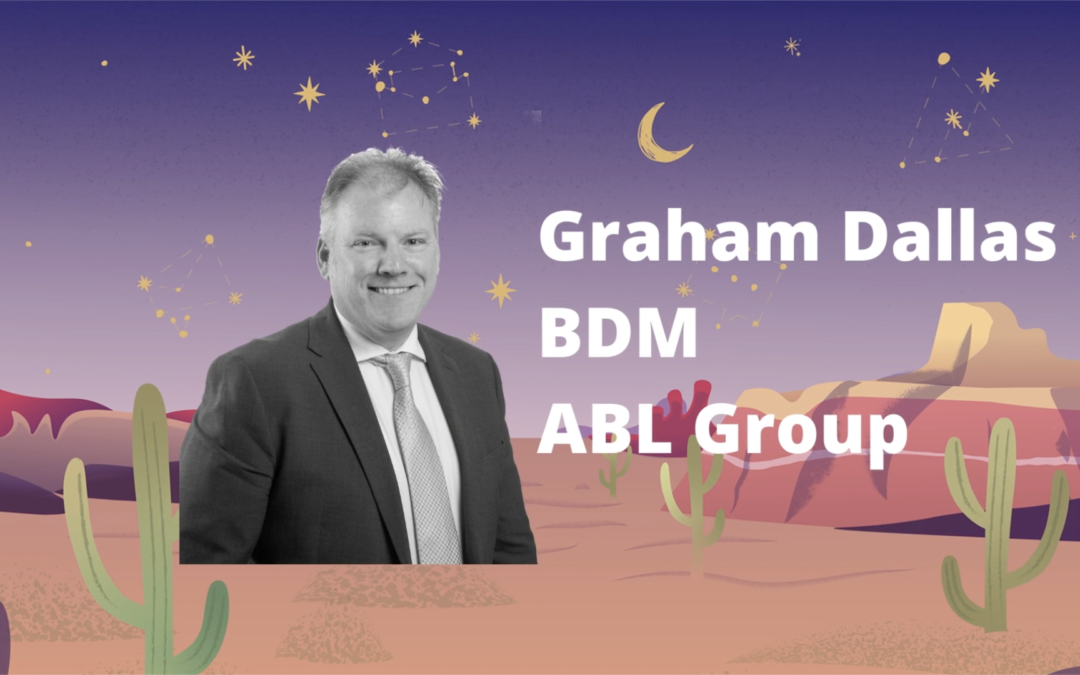
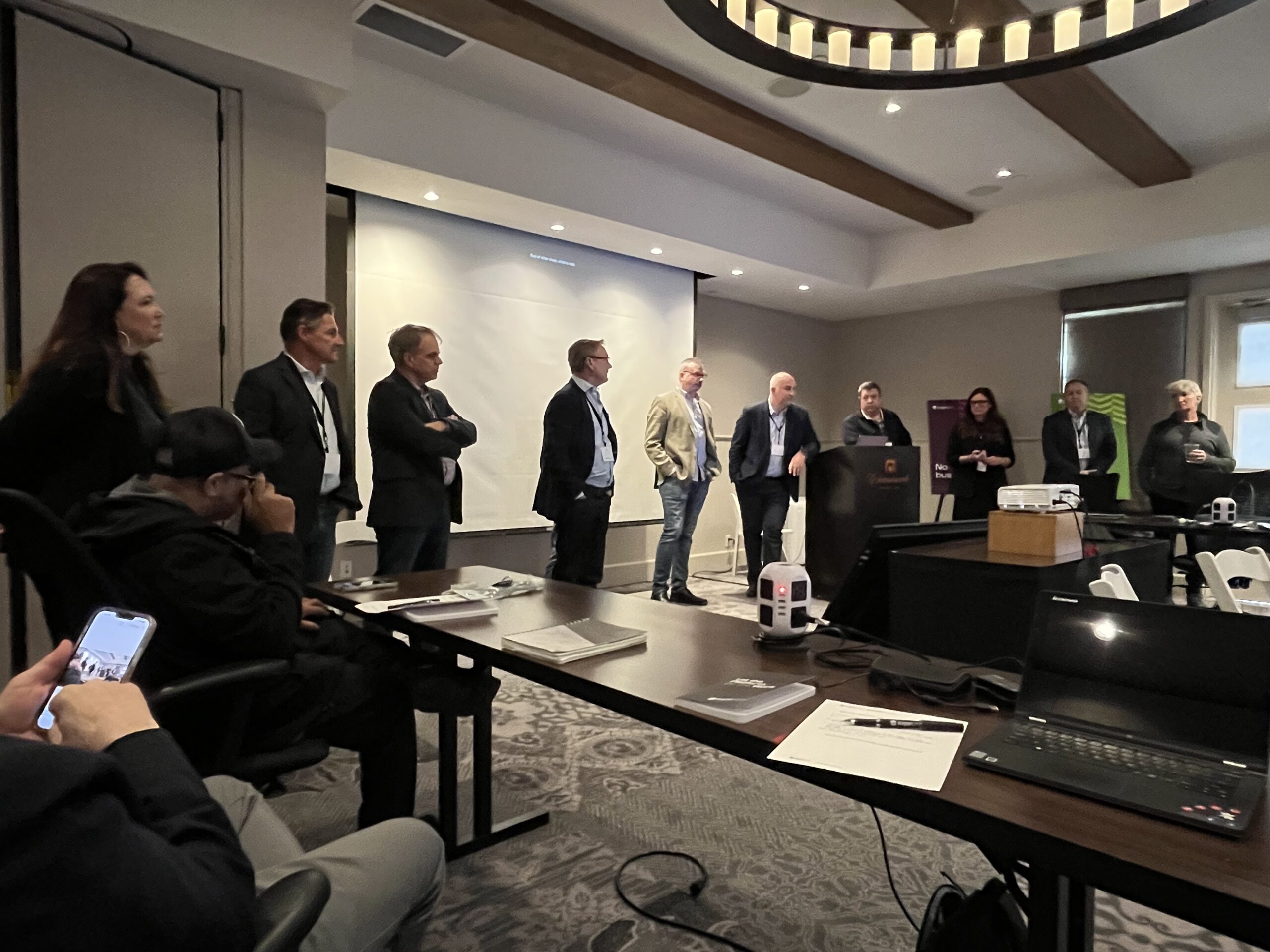
The world is getting back to normal, which means two things: Vendors are shifting back to in-the-flesh conferences, and I’m writing again. The convergence of these two facts leads to me cranking out a short blog about SugarCRM’s Analyst Summit, held Nov. 10 in Santa Cruz, CA.The real highlight of the event for me was speaking to Sugar’s customers, a healthy handful of whom were in attendance. This is a change from my usual experience, where I’m more absorbed in what the host company is doing in terms of strategy and/or product. These customers—I interviewed executives from an air travel contractor, a for-profit shoe charity, and a surgical instrument sterilizer, among others—were the stars of this show. It was a refreshing experience. Feel the Message The expected updates to Sugar’s product road map were there, along with some healthy discussion of messaging. As always, I appreciate Sugar’s leadership team and its willingness to listen to feedback on how the company presents itself and adjust accordingly, or at least tell us why they will keep what they have. But the real message for me was those customers and their relationships with Sugar. Most of the time, there’s a certain sameness about the reference customers vendors trot out at events like this; they’re either recognizable brands or have easily explained businesses, they have a typical application and employee environment, and the ROI story is A-B-C. Vendors want you to understand why their customers chose them, and sometimes a challenging story can delay that understanding. Truthful Tales, Timely Told SugarCRM’s spotlight customers for this summit brought their passion for their work with...
How Zendesk Intelligent Triage steps up the customer service game
The News On September 14, 2022, Zendesk announced the release of its new customer sentiment and intent functionality: Intelligent Triage and Smart Assist. These new AI based solutions shall “enable businesses to triage customer support requests automatically and access valuable data at scale. Intelligent Triage and Smart Assist are the next step in Zendesk’s vision to create accessible CX AI for companies of all sizes. The technology uses proprietary industry expertise and insights from trillions of customer data points and applies a vertical lens. This creates models custom to each business capable of identifying the intent, language and sentiment of each customer interaction. This unique approach to applying machine learning creates more personalized and informed interactions to better serve customers. For example, specific inquiries, such as “I’m having problems with payment”, can be automatically sent to an agent who is equipped to handle billing for a quicker resolution, while inquiries that include language written in all capital letters or in a sarcastic way will indicate a highly negative sentiment and be routed to the top of the queue. The new capabilities include: Instantly route and prioritize revenue drivers, ensuring agents are working on business-critical requestsAnalyze distribution of requests so businesses can better plan operations, collaborate across departments and identify improvement opportunities supported by data for more efficient CX operationsAutomatically guide agents on how to best resolve a customer’s issue in real-time, understand context, recommend solutions, and improve coaching and training with valuable insightsContinuously boost accuracy as the AI solutions receive feedback on predictions and recommendationsDetect sensitive information automatically to meet compliance and security needs or extract confidential data like...
UX and CRM – How to make them a match
When talking about CRM systems, people – especially managers – mostly think about functions, features, and control. How can a process be supported and managed? How can I get good analytics out of the system? Does it fit into the existing IT landscape? These and many similar questions take precedence when it comes to selecting software systems. Usability and UX are often only an afterthought or, even worse, lip service. The result of this is often an abysmal user adoption of systems, as they do not do what the users want, don’t help them or, on the contrary, cause even more work than the users had before. The CRM Sales and Impact report 2021 study by Arlington Research shows that on average 52 per cent of sales leaders report that their CRM platform is costing them revenue opportunities. This average increases up to 65 percent in specific industries. On the other hand, a study by UsabilityGeek finds that it is beneficial to fuse UX and CX. Similarly, according to research by Jacob Nielsen, when good UX design enhances the customer experience, companies see an average increase of 83 percent of the measured KPIs across marketing, sales, and service. Apart from the revenue boost, benefits include increased and accelerated adoption, higher productivity, improved customer satisfaction, reduced training time and lower support cost. Therefore, the main question to ask is not whether, or rather in how far improving the UX does improve the acceptance, use, and helpfulness of a CRM system. Instead, one needs to ask what it takes to come to a better UX and what the inhibitors are. This blog post is based on...
How to engage for customer experience and success
It is time for a stake in the ground again. Of late, every vendor who used to play in the CRM arena positions itself as a „customer experience“ player and claims that its software “delivers customer experiences”. This is quite a claim. It also raises a lot of important questions. What is “customer experience”? And who is responsible for it? How does “customer experience” differ from “customer experiences”? What is the difference to customer engagement? How do they relate to customer expectations? And then there is “customer success”, too. What about customer satisfaction? Finally, how does CRM fit into the picture? As you can see, there is a lot of scope for confusion. And this confusion has definitely materialized. So, let’s start with some definitions Friend and industry luminary Paul Greenberg has ventured here already back in 2015 (and before). Still, as time moves, the industry evolves, and things tend to get forgotten, let me take another stab at it. The more fundamental concepts are perhaps engagement, followed by customer expectation and customer success. You can also watch my take on customer engagement vs. customer experience in this 90 second video. Customer engagement According to Merriam-Webster, engagement is “the act of engaging” or “the state of being engaged”. Well, let’s look at the verb, then. Amongst some other meanings, engage is defined as “attract and hold by influence or power” or “induce to participate”. So, engagement is essentially about interacting with each other. This is usually mutual, but mandatorily involves communication, reaching out, by the company. Importantly, this engagement can also happen the product or service itself, for instance...