The New Enterprise Moat? Zoho’s AppOS and Stack Sovereignty Signal the End of Fragmented SaaS
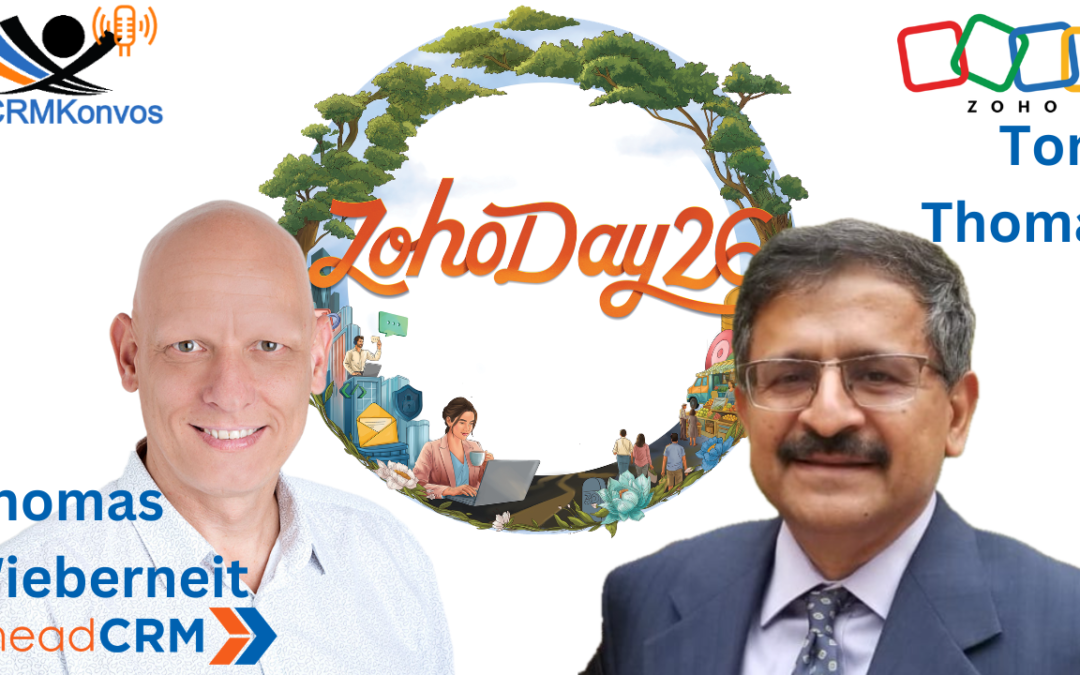
ZohoDay 2026 is in the books, and it has again been an intense two days of information and discussions, starting off with some impressive statistics. In time for its 30th anniversary, Zoho crossed the milestones of one million paying customers and an eye watering 150 million users. All this while not having raised a single dollar of external capital or buying technology or users. The company stays fiercely independent and continues to grow very profitably since it crossed the threshold of an annual revenue of $1bn back in November 2022. If I wanted to boil this event down to a few key messages, it would be value, independence, platform, and, of course, AI. The conference in a nutshell: Value is the result of the smart use of automation with AI that works on top of the corporate system of record, powered by a platform that is built on an independently owned stack. This is also the secret sauce of Zoho, a philosophy that the company follows since its inception. And here is how Zoho brings this to work. Zoho owns and continuously improves its stack Coming from the angle of sovereignty, Zoho extends this thought of independence to its customers now in an answer to Raju Vegesna’s not so rhetoric question “what will happen if someone can pull the plug?” on any of your essential systems. All of the sudden, the thought of local deployments or hybrid deployments with cloud apps operating on local data becomes very interesting, valuable, again. It is mitigating risk. According to Vegesna, clients of different sizes are asking for this model. Another part of this equation is...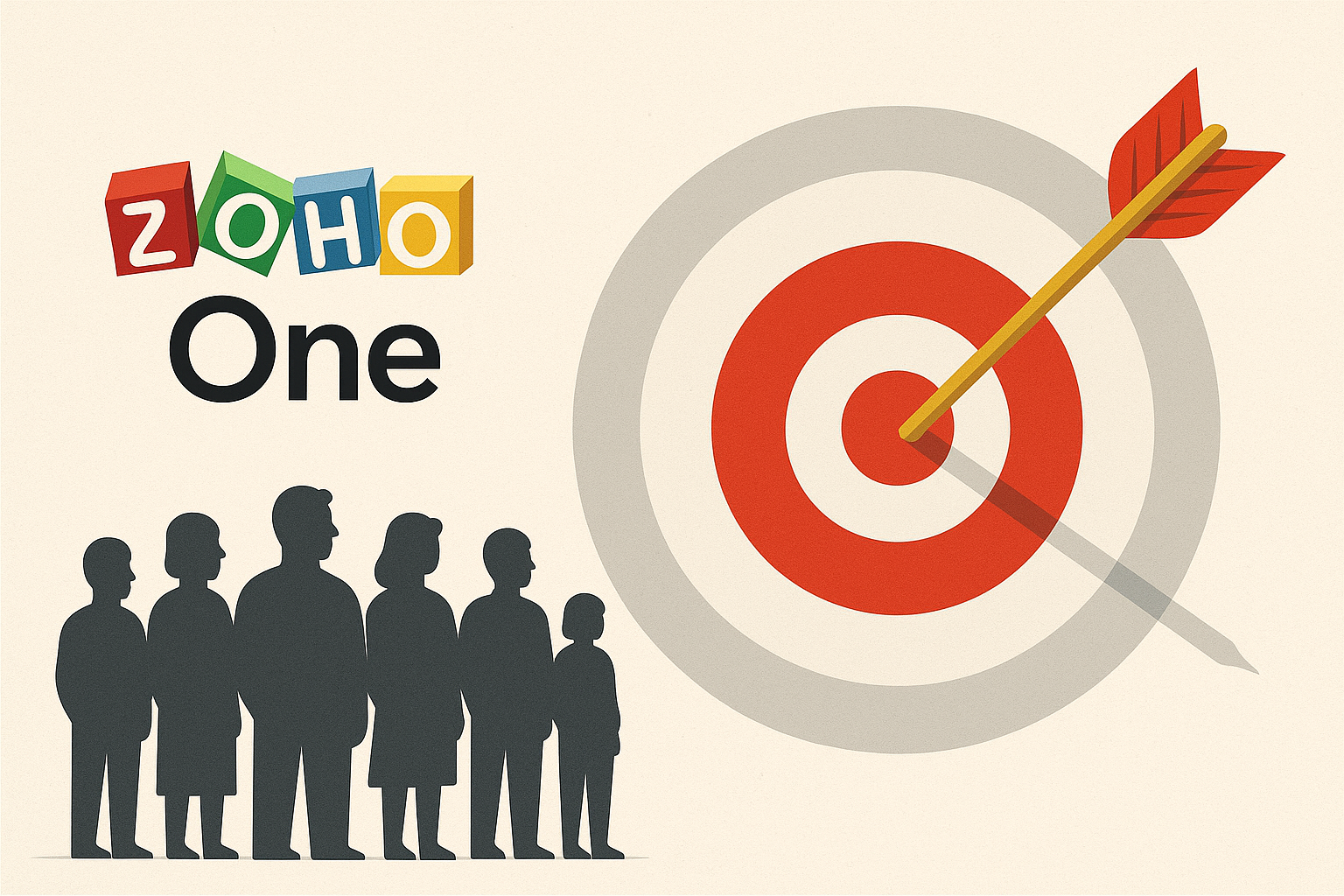
Zoho One: Did 75,000 Customers Find the Sweet Spot?
Zoho aspires to deliver the operating system for businesses with the goal of driving customers’ margins by unifying business operations on one single technology platform. The most important part for delivering this vision is Zoho One. Zoho One is Zoho’s premier bundle of business applications. Currently, Zoho One consists of around 55 applications that support sales, marketing, email and collaboration, helpdesk and customer support, finance, HR, analytics, and business processes. Of these, customers use on average 22. Zoho One can be licensed as an all-in-one platform but also be part of a journey that starts at first licensing one application, then more and then moving to Zoho One directly or via licensing one of the other suites (such as CRM+, Projects+, Finance+, or Workplace, and others). The most used applications in Zoho One are CRM, Analytics, Books, Meeting, and Workdrive. At the time of writing this, Zoho One has around 75,000 customers, which makes it Zoho’s most popular product. The largest customer has around 32,000 employees. Customers are distributed worldwide in more than 160 countries, with the highest numbers in the United States and the European Union. Organizations that have implemented Zoho One are from a variety of industries, although the top five industries are the high tech, professional services, Real Estate and Construction, Retail, and Banking/Financial Services/Insurance industries. On November 18, 2025, Zoho announced many enhancements to the suite. The enhancements are focusing around three key areas: · Experience · Integrations · Intelligence The biggest enhancement in the experience category is that Zoho essentially removes the boundaries between the...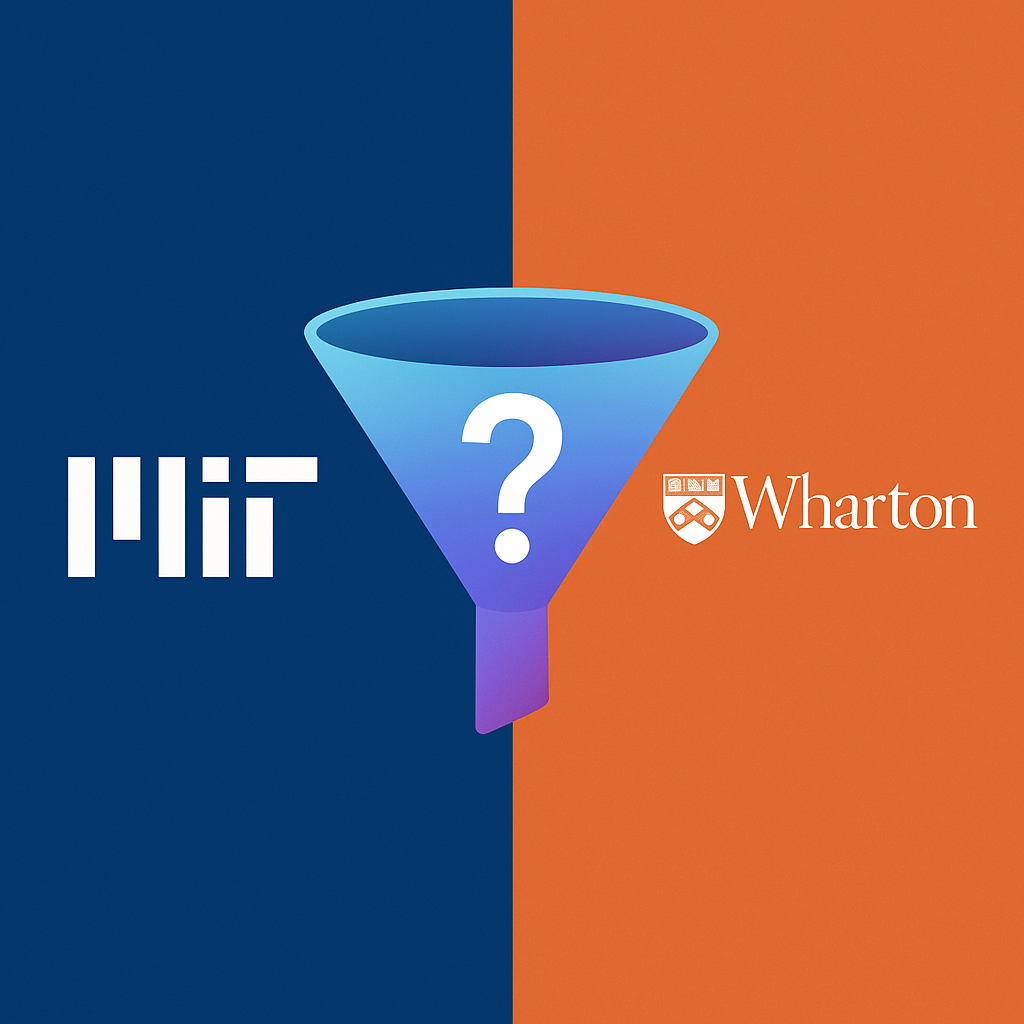
The Great GenAI Divide: Debunking the Myth of 95% Failure
These days, we are drowning in conflicting information about the value of generative and/or agentic AI. I, myself am researching for good studies that dive into the ROI that is generated by this technology, with limited success. Most information is anecdotal, or comes from success stories, which cannot get used too literally. Two major 2025 reports from MIT and Wharton, respectively, paint starkly different pictures of AI adoption and adoption success. While the meanwhile often quoted MIT NANDA “report” on the state of AI in business often gets quoted with 95 percent of all businesses not getting any ROI from their gen AI initiatives, a recent study by the Wharton Business School shows a very different result with 74 per cent of enterprises showing a positive ROI. Why is one so pessimistic and the other so optimistic? As I have written before, a closer look at the data reveals the 95% “failure” narrative is a myth, or even a scare, and the real story is probably a different and far more differentiated one, which Wharton names Accountable Acceleration. Is GenAI really a 1-in-20 lottery ticket or is it rather a core business function? So, let’s have a look. Methodology matters – debunking the 95% failure rate In contrast to the NANDA “report” that relies on a fairly small sample of about 150 survey responses and 52 structured interviews, the. Wharton report bases on a large-scale, quantitative and longitudinal study. It surveyed around 800 senior decision-makers at businesses of different sizes and is tracking trends for the third consecutive year. Therefore, its data is built for statistically valid conclusions. In...