Great CX from an Oracle point of view
The CRMKonvos team started into the new year talking with Daniel Renggli, Director Field Marketing North at Oracle. As we all know, Oracle has a vast range of solutions across the whole value chain and is one of the few that can (almost) support a whole enterprise with its solution. Oracle was also known as a cloud laggard – a notion that got vastly changed in the last few years. And Oracle governs the complete hardware and software stack to support businesses, which again is rare in the enterprise applications world. The company’s IaaS infrastructure even can extend into the customer data center, which is a very interesting offering. Last, but not least, Oracle has a strong set of CRM- and CX applications, on premise and in the cloud, with the cloud software being established in the market in the past years. Oracle is one of the contenders in the #ClashOfTitans. All the more reason to talk with an Oracle representative about what is great CX and how to get there. Being confronted with the complete CRMKonvos gang, Daniel took his stand. And he did well. We learned a lot. You can, too. Here is the recording of the conversation. It is worthwhile the time. Trust...
Clash of Titans – The IaaS Platform Providers
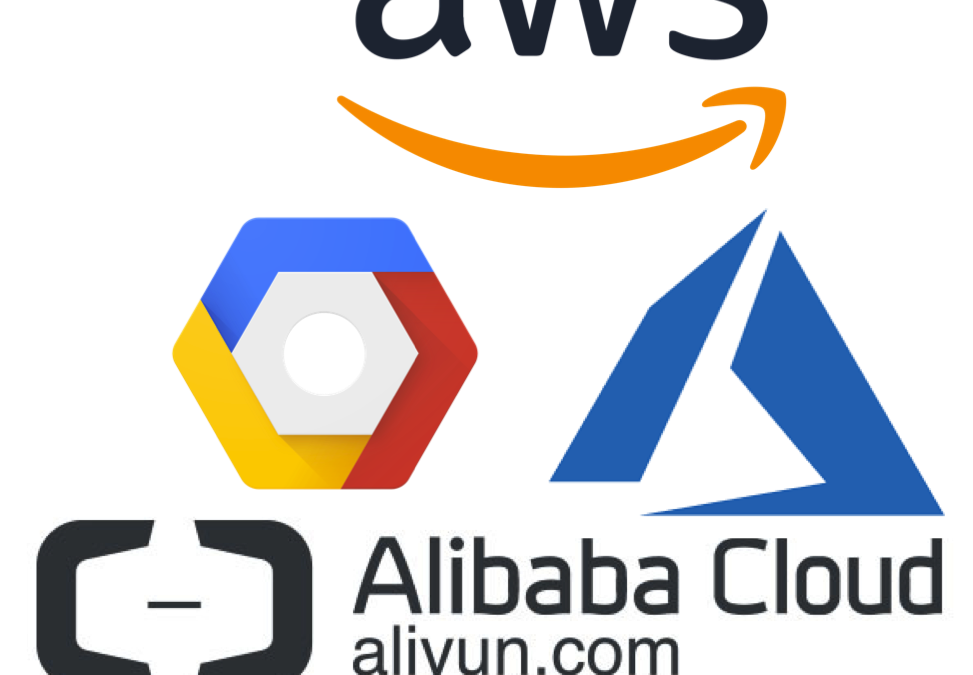
In the past three posts of this series I have covered the definition of a platform, followed by a brief analysis of the big four players in the customer experience world, namely Microsoft, and SAP, followed by Salesforce and Oracle. And then there are the IaaS Platform Providers Of which there are mainly four, although Gartner Group lists six of them in their 2018 Magic Quadrant for Cloud Infrastructure as a Service, Worldwide! And this drop from 14 vendors in 2017 to just six in 2018 already shows how much consolidation is going on in this market. But why even mention them here? After all this text originated as an analysis of the big business software vendors. Cloud infrastructure provides are important for two reasons: They do provide the raw computing power, the storage, networking resources, etc. for business workloads in a highly elastic way – including the ability to scale up and down in (near) real time. IaaS platforms also more and more contain and offer the PaaS portion that is necessary to offer value added services. In essence, the big six of the IaaS providers that are covered by the Gartner Group offer a technology platform, an ecosystem, insight, and productivity tools. The only thing that they are not really doing – yet – is offering rich, integrated business applications. But back to why I do see only four main IaaS providers going forward. These famous four are AWS, Microsoft, Google, and Alibaba. Of course with AWS having a tremendous lead for now, with Google and Microsoft struggling for the second spot, and with new kid on the block Alibaba growing...
Clash of Titans – The War Cry: Oracle and Salesforce
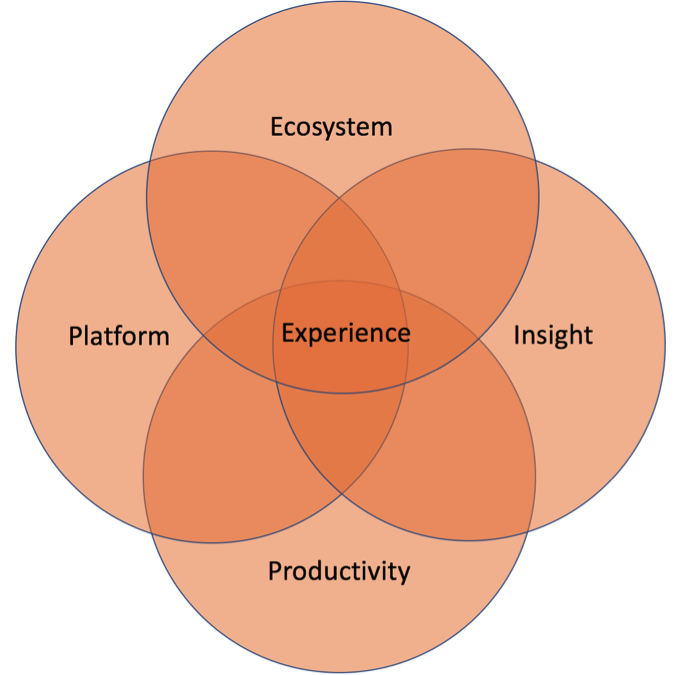
More Food for Thought In the last article Clash of Titans – Microsoft and SAP weigh in of this little series, I discussed the strategy of two of the big four and how they are positioned in the platform play of the business software titans – and others. This article covers the other two: Oracle and Salesforce. These business software vendors are competing in a market that is changing – commoditizing – at a fast rate towards an experience market, and probably beyond, if I follow the argumentation and thoughs of CRM godfather and friend Paul Greenberg. Business application vendors can stay really successful only if they morph into platform players. And this platform is more than just a technology platform, but encompasses four dimensions. The four dimensions that are paramount to be able to deliver great engagements that result in lasting positive experiences are Platform (IaaS/PaaS) Ecosystem Insight Productivity In this article I look at Oracle and Salesforce and how they position themselves in this game of thrones. But now, without further ado, let’s dig into the topic. Oracle Since the launch of what originally was project Fusion and now is Oracle CX, the company has done a remarkable pivot from being an on premise company to becoming a cloud company. The company has its strength in being a full stack provider with a full range of business applications. However, its main strenght is owning the gold standard database engine that runs the majority of business workloads worldwide. From its overall technological profile one could position Oracle somewhere between SAP and Microsoft as it with Open Office also...