


SAP takes Qualtrics public – Surprise, Surprise
The News On July 26, 2020, not two years after announcing the acquisition of Qualtrics, SAP announced its intent to take Qualtrics public. The timeline is yet to be communicated. What the press release basically says is that SAP’s cloud growth, including Qualtics was a ‘great success’. SAP itself wants to remain in control by keeping a majority stake in Qualtrics after the spin-off while Qualtrics founder Ryan Smith wants to be the ‘largest independent shareholder’. SAP insists in it being fully committed to the Qualtrics XM platform as a key element of its Intelligent Enterprise strategy, but with Qualtrics being a part of the SAP ecosystem instead of being a part of SAP itself. For your convenience the full press release is quoted here. WALLDORF — SAP SE (NYSE: SAP) today announced its intent to take Qualtrics public through an initial public offering (IPO) in the United States. Qualtrics is the market leader and creator of the Experience Management (XM) category, a large, fast-growing and rapidly evolving market. SAP intends to remain the majority owner of Qualtrics. SAP’s primary objective for the IPO is to fortify Qualtrics’ ability to capture its full market potential within Experience Management. This will help to increase Qualtrics’ autonomy and enable it to expand its footprint both within SAP’s customer base and beyond. “SAP’s acquisition of Qualtrics has been a great success and has outperformed our expectations with 2019 cloud growth in excess of 40 percent, demonstrating very strong performance in the current setup,” SAP CEO Christian Klein said. “As Ryan Smith, Zig Serafin and I worked together, we decided that an IPO would provide the greatest opportunity for Qualtrics to...
Customer Experience in Times of Remote Work
Many analysts, including myself, have repeatedly written about us having entered a new normal, which is enforced by a so-called green swan event – an event that according to BIS is “extremely [financially] disruptive and that could be behind a systemic [financial] crisis” (brackets set by Thomas Wieberneit). Supply chains are broken, employees need to work from home, stores were forced to close for prolonged times, and so on. This has the potential to seriously harm the base function of a business, which is helping their customers solve their problems. Looking at the pyramid of customer expectations, businesses are often barely, if at all, able to maintain its lowest level – the level of effectivity – and are far away from making it easy for their customers or even providing them with a joyful experience when interacting and engaging with them. Figure 1: The hierarchy of customer expectations Yet, we are in an era where products and services themselves get increasingly deprecated and the experience becomes the main distinguishing factor for continued success. Still not all organizations are set up to deal with this. Most are not resilient enough to fend off or at least mitigate the disruption caused by a crisis. Some organizations are affected more than others. So are the people who work in these organizations. Salespeople cannot interact with their customers in the ‘usual’ way anymore. They cannot go out and visit them currently. Customer service professionals need to change their ways of collaboration with their colleagues, they cannot just ask their neighbour anymore. Marketing Teams cannot create and host offline events due to distance and...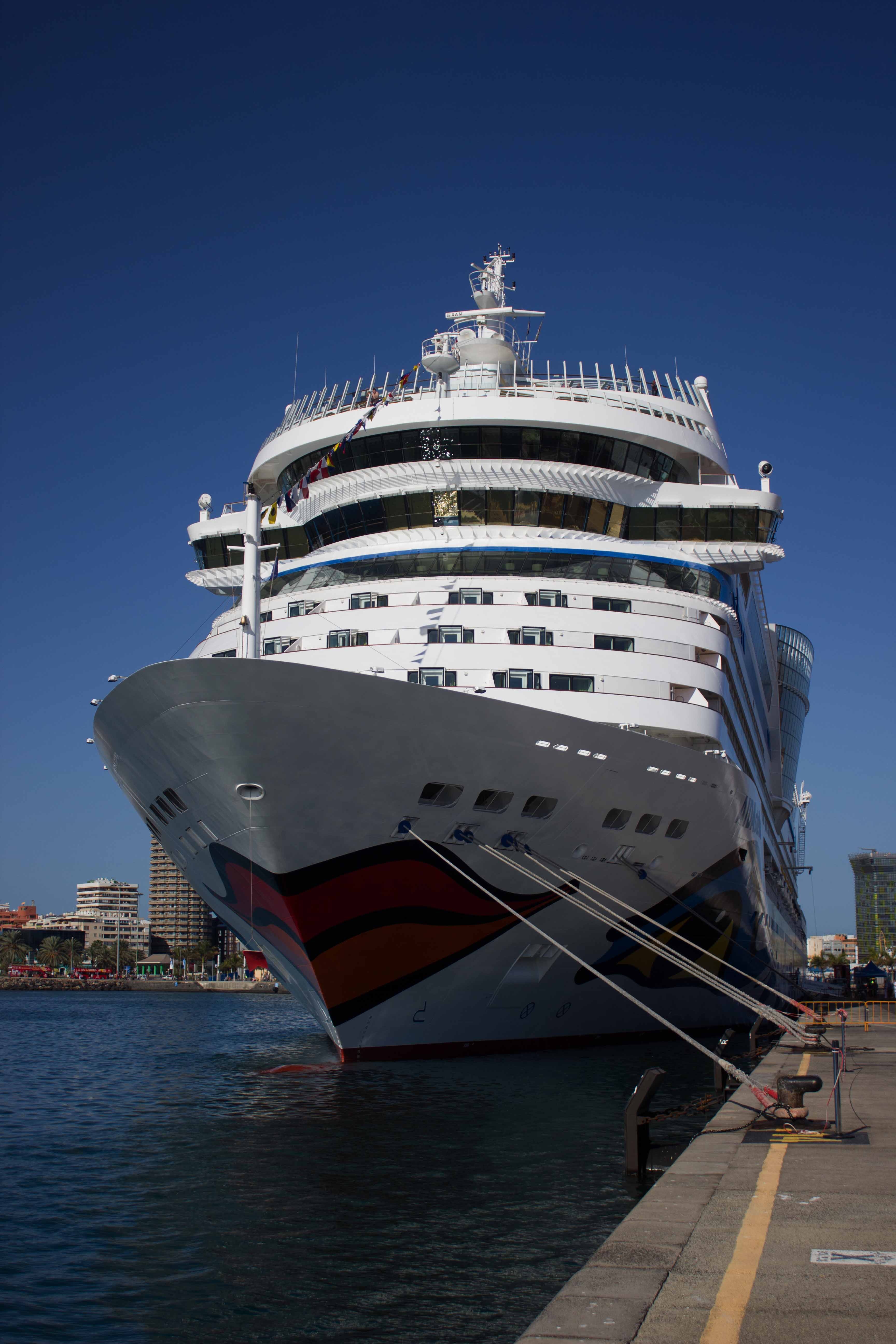
Customer Experience on Cruise Ships – It doesn’t always need AI to deliver
It is this time of the year. Both, my wife Nicole and I put in long hours throughout last year, and yes, the pre-Christmas-time was not exactly a vacation, too … So, we were looking forward to some downtime and a family cruise with the line that prides itself as being “the home of the smile”. But, hey, if you are in the customer experience business – you never really have full downtime. At the end of the day it is also impossible to not reflect your own experience. Hence, we also could not avoid to realise how simple things can turn something amazing into something mediocre – or even plain disappointing. The cruise industry is a highly competitive industry, too, with more and more customers having more and more choice. Cruise Market Watch predicts more than 27.6 million cruise customers in 2020. Ships are getting bigger and more comfortable – and the fleets are growing, too, with 25 more cruise ships being expected to enter service in 2020. At the same time, customer expectations are rising fast. And this does not only apply to the digital world, but also to the physical one. And a cruise is all about the customers’ experience, and nothing else. This is what they are selling with slogans like ‘premium all-inclusive’ (TUI Cruises). “After all, the best holiday feeling is: not being in the need to think of anything, but to be able to. Not needing to pay for it, but being able to try anything. Not needing to relinquish anything but being able to enjoy everything.” (original in German, translation by me)...